University is often described as a place where friendships develop naturally, social opportunities are everywhere and students quickly find people who share their interests. For some, that description reflects their experience; for others, the reality is much more complicated. A student can attend lectures with hundreds of classmates, live in a busy residence and participate in online discussions while still feeling that there is nobody they can turn to when life becomes difficult.
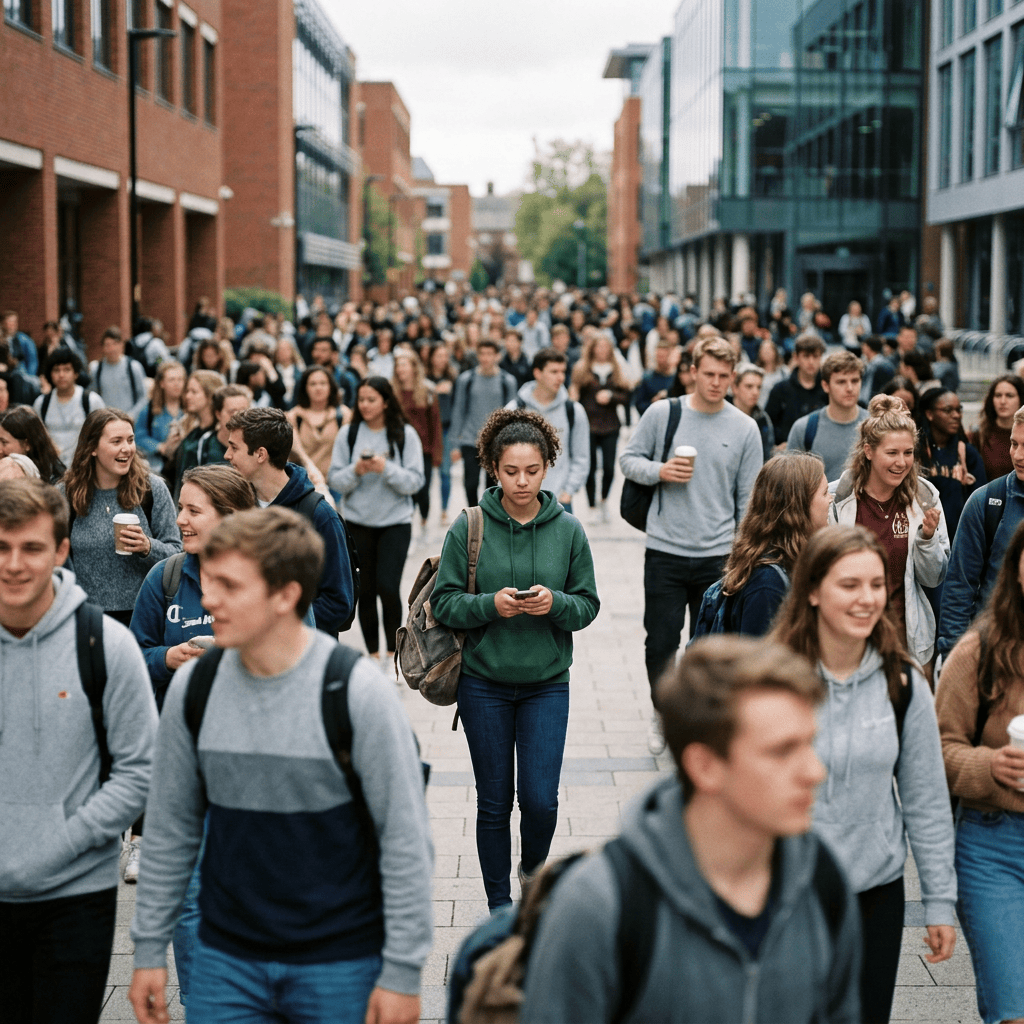
Loneliness is not simply the absence of people. It is the distressing feeling that the relationships available to you do not provide the connection, understanding or companionship you need. Students may experience loneliness when they move to a new country, struggle to communicate confidently, feel excluded from established friendship groups or spend long periods studying independently. It can also affect students who have friends but do not feel comfortable discussing their worries with them.
The issue deserves attention because belonging and social connection are important parts of the educational experience. A 2026 study examining academic stress, digital fatigue and loneliness among university students reported associations between these factors and mental health difficulties. As the study used a cross-sectional survey, it cannot establish that loneliness directly causes mental health problems, but it reinforces the importance of considering social connection alongside academic demands and digital learning conditions.
1. Why loneliness can be difficult to recognise at university
Students do not always describe themselves as lonely. Some may say they are simply busy, independent or focused on their studies, while others maintain an active online presence that gives the impression of a full social life. Yet a person can exchange messages throughout the day without experiencing the kind of trust and emotional connection that comes from meaningful relationships.
Loneliness may also be temporary and linked to a particular transition. A new student might feel disconnected during the first few weeks, while a final-year student may find that friendships change as classmates move away for placements or employment. Doctoral researchers can experience a different form of isolation because their work may involve long periods of independent research and limited contact with students outside their discipline.
Recognising loneliness does not mean that a person has failed socially. It means that their current level or quality of connection may not meet their needs, and that those needs deserve attention rather than embarrassment.
2. Why students become socially disconnected
Moving away from home is one of the most obvious causes of social disruption. Students may leave behind family, friends, familiar neighbourhoods and established routines, then arrive in an environment where they must build a new support network. Even students who are excited about the opportunity can miss the comfort of familiar relationships.
Cultural and language differences can make the transition more demanding for international students. Understanding humour, joining informal conversations, interpreting social expectations and participating confidently in group work may require time. Students may worry about making mistakes or being judged, which can encourage them to withdraw from situations that might otherwise help them build friendships.
Financial circumstances can also affect social participation. Students who cannot afford frequent outings, transport or social activities may feel excluded when friendship groups organise events that involve additional spending. Those working long hours to support themselves may have limited time to attend societies or informal gatherings.
Academic pressure can further reduce opportunities for connection. When deadlines accumulate, students may cancel plans, stop attending extracurricular activities and spend most of their time studying. Although prioritising work may be necessary temporarily, a pattern of prolonged isolation can make university feel increasingly narrow and stressful.
3. The difference between social activity and genuine belonging
Having many contacts does not necessarily mean feeling supported. Students may know dozens of classmates but lack a person they can call when they receive disappointing news, experience a personal difficulty or need practical help. Genuine belonging tends to develop through repeated interactions, mutual interest, trust and the experience of being accepted without having to perform a particular identity.
This is one reason why joining a society once may not transform someone’s social experience. Relationships usually require time and repeated contact. Attending the same weekly activity, contributing to a student project or regularly studying with a small group can create more opportunities for familiarity than moving between many events without developing deeper connections.
Students should also remember that friendships do not need to be identical to those they had before university. New relationships may develop through shared interests, professional goals, cultural communities, volunteering, sports, faith or creative activities. The objective is not to reproduce an old social circle, but to build connections that fit the person’s current life.
4. Practical ways to build meaningful relationships
Start with repeated, low-pressure contact. Instead of expecting to make close friends immediately, choose one or two activities that happen regularly. A weekly society meeting, study group, sports session or volunteering commitment creates opportunities to see the same people and gradually become more comfortable.
Use academic settings as opportunities for connection. Asking a classmate whether they would like to review lecture notes, discuss a reading or prepare for a seminar can provide a natural starting point. These conversations do not have to become close friendships, but they can help students feel more connected to their learning community.
Explore student societies and community activities. Universities often offer academic societies, cultural groups, sports clubs, arts activities and volunteering programmes. Students should choose activities that genuinely interest them rather than joining everything out of pressure to appear sociable.
Practise initiating small conversations. A simple question about a lecture, an upcoming event or a shared assignment can help open a conversation. Social confidence often develops through practice, and students do not need to be naturally extroverted to build supportive relationships.
Maintain existing relationships. Contact with family and friends from home can provide stability during periods of transition. Regular calls or messages may help students feel connected while they develop new relationships, although it is also valuable to create opportunities for participation in the local community.
Seek culturally supportive spaces when useful. International student associations, language exchange groups and cultural societies can help students meet others with shared experiences. Participation should be a choice, not an expectation that students must remain within one community.
5. How digital communication can help—and sometimes make loneliness worse
Digital platforms allow students to maintain relationships across distance, find communities and organise activities. Online study groups can also help students feel connected when they are unable to attend campus regularly. For students with disabilities, caring responsibilities or geographical barriers, digital participation may be an important route to social inclusion.
However, online activity can create an illusion of connection when interactions remain superficial or are dominated by comparison. Seeing photographs of other students attending events, travelling or celebrating achievements can make someone feel that they are missing out, particularly when they are already isolated. Constant notifications may also create a sense of social obligation without providing meaningful companionship.
The most useful question is not whether digital communication is good or bad, but whether it is helping a student develop supportive relationships. Online conversations can be valuable, especially when they lead to sustained friendships, shared activities or practical support. They are less likely to meet social needs when they become a substitute for every form of interaction that the individual would find meaningful.
6. What doctoral researchers and distance learners can do
Students whose programmes involve independent research or remote study may need to be more intentional about social contact. Doctoral candidates can benefit from research seminars, postgraduate networks, writing groups and interdisciplinary events that create contact beyond their immediate supervisory relationship. Supervisors can also encourage candidates to participate in research communities rather than treating independent work as an entirely solitary activity.
Distance learners can establish recurring online study sessions, join programme discussion groups and arrange occasional in-person meetings where practical and appropriate. Institutions should ensure that remote students are included in academic and social communication, rather than assuming that access to recorded lectures is sufficient for a complete student experience.
7. When loneliness becomes a wellbeing concern
Feeling lonely occasionally does not necessarily indicate a mental health condition. However, persistent isolation accompanied by low mood, anxiety, hopelessness, sleep problems or loss of interest in everyday activities deserves attention. Students may find it helpful to speak with a trusted person, university wellbeing service, counsellor or health professional.
The NHS notes that students can benefit from counselling when they are facing relationship problems, low mood or anxiety about their work and other challenges. Students should check their university’s arrangements and seek professional support if their difficulties are affecting everyday life. If someone is at immediate risk of harm, urgent local emergency or crisis support is appropriate.
8. How universities can create a stronger sense of belonging
Institutions should not assume that social integration will happen automatically. They can support belonging by providing accessible orientation programmes, inclusive societies, peer mentoring, academic communities and welcoming spaces for commuter and international students. Events should be designed so that students with different financial circumstances, cultural backgrounds, disabilities and schedules can participate.
Academic departments also have a role. Group projects, seminars, research communities and structured peer learning can help students develop relationships through shared intellectual activity. Staff should be alert to patterns of exclusion and ensure that students have clear routes to raise concerns about discrimination, harassment or inaccessible activities.
Frequently asked questions
Is it normal to feel lonely at university?
Yes. Many students experience periods of loneliness, particularly during transitions, demanding academic periods or changes in living arrangements. Persistent distress should not be ignored.
How can I make friends if I am shy?
Choose recurring activities based on genuine interests, begin with small conversations and allow relationships to develop gradually. You do not need to become highly extroverted to build meaningful friendships.
Can international students experience additional loneliness?
Some may face additional challenges involving language, cultural adjustment, distance from family and unfamiliar social expectations. Experiences differ, and universities should provide inclusive support without assuming that every international student has the same needs.
Can online friendships reduce loneliness?
They can provide genuine support and companionship, particularly when distance makes in-person contact difficult. Their value depends on the quality of the relationships and whether they meet the individual’s social needs.
Conclusion: Belonging is part of a successful university experience
Academic achievement matters, but students are people before they are grades, research outputs or future professionals. Meaningful relationships can provide encouragement, perspective and a sense of belonging during the difficult periods that are part of higher education. Building those relationships may take time, especially after moving to a new environment, but small and repeated steps can create opportunities for connection.
Universities should make belonging a visible part of student support, while students should feel able to seek companionship and help without interpreting loneliness as a personal failure. A supportive educational community is not one in which everyone has the same social life; it is one in which people have realistic opportunities to participate, connect and be treated with respect.
Stay connected with Scholars Careers: Subscribe for more guidance on student life, academic success, research careers and international education. Follow our updates and share this article with students who may be navigating a new university or country.
Disclaimer: This article provides general educational information and is not a substitute for professional mental health advice or treatment. Students experiencing persistent distress should contact an appropriate health professional or university support service. Emergency support arrangements vary by location.


