A PhD is one of the most demanding academic journeys a person can undertake. It requires independent research, sustained concentration, critical thinking, academic writing and the ability to respond to uncertainty. Although many doctoral candidates complete their degrees successfully, others experience serious delays, lose motivation, change direction or fail to meet the requirements for their doctorate.
Continue reading “Why Do PhD Students Fail? 15 Hidden Reasons Doctoral Candidates Struggle—and How to Avoid Them”Category: Support & Guidance

A postdoctoral fellowship can open doors to advanced research, international collaboration and long-term academic opportunities. Yet applying to a highly regarded university or research institute is not simply a matter of submitting an academic CV and a list of publications.
Selection panels want to understand what makes your research valuable, why you are the right person to undertake it and why the proposed host institution is an appropriate place for the work.
Continue reading “How to Write a Winning Postdoctoral Fellowship Application That Stands Out”Share this:

A postdoctoral fellowship at a leading university or research institute can be an important step towards an independent academic career. It offers opportunities to deepen your expertise, develop new collaborations, publish research and build the experience needed for future academic or industry positions.
However, securing a postdoctoral fellowship at institutions such as Oxford, Cambridge, Harvard, MIT, Stanford, ETH Zurich or other internationally recognised research centres is highly competitive. Strong candidates need more than an impressive academic record: they must demonstrate research potential, independence, institutional fit and a convincing plan for their next career stage.
Continue reading “How to Secure a Postdoctoral Fellowship at a World-Leading University: 15 Strategies That Can Transform Your Research Career”Share this:

Publishing in a high-impact academic journal is one of the most important milestones in an academic research career. For PhD students, postdoctoral researchers, university lecturers and established academics, publishing in reputable international journals can strengthen academic credibility, increase research visibility, support career progression and create opportunities for international research collaboration. However, getting a research paper accepted by a prestigious academic journal is not easy.
Many researchers spend months preparing manuscripts, only to receive rejection letters from journal editors. Others struggle to identify appropriate journals, respond to reviewers’ comments or understand what distinguishes a publishable research paper from an ordinary academic manuscript.
So, what does it take to publish successfully in high-impact academic journals? Is it simply about having an excellent research topic, writing sophisticated academic English or conducting extensive statistical analysis? Not necessarily.

Share this:

Getting admitted into a PhD programme is a major academic achievement. But admission is only the beginning. The real challenge is becoming an independent researcher who can identify important problems, develop original ideas, conduct rigorous investigations and contribute meaningful knowledge to your academic discipline.
Some doctoral students struggle throughout their programmes, while others gradually develop into confident researchers, productive writers and respected academics.
What separates successful PhD students from those who struggle?

Share this:

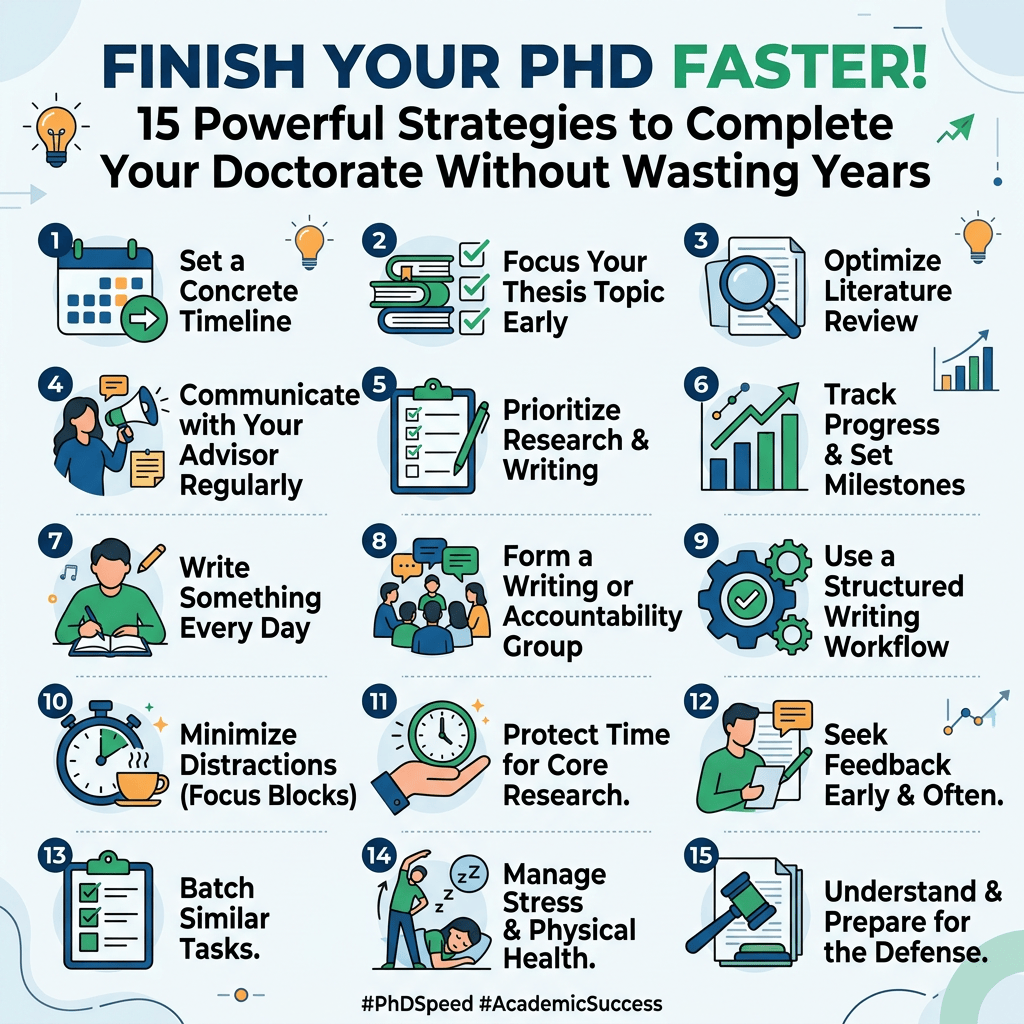
Starting a PhD is one thing. Completing it successfully is another. For many doctoral students, the journey becomes more challenging than expected. What initially appears to be an exciting academic adventure can turn into years of research delays, endless literature reviews, rejected manuscripts, supervisor disagreements, data collection problems and difficult thesis revisions.
Share this:

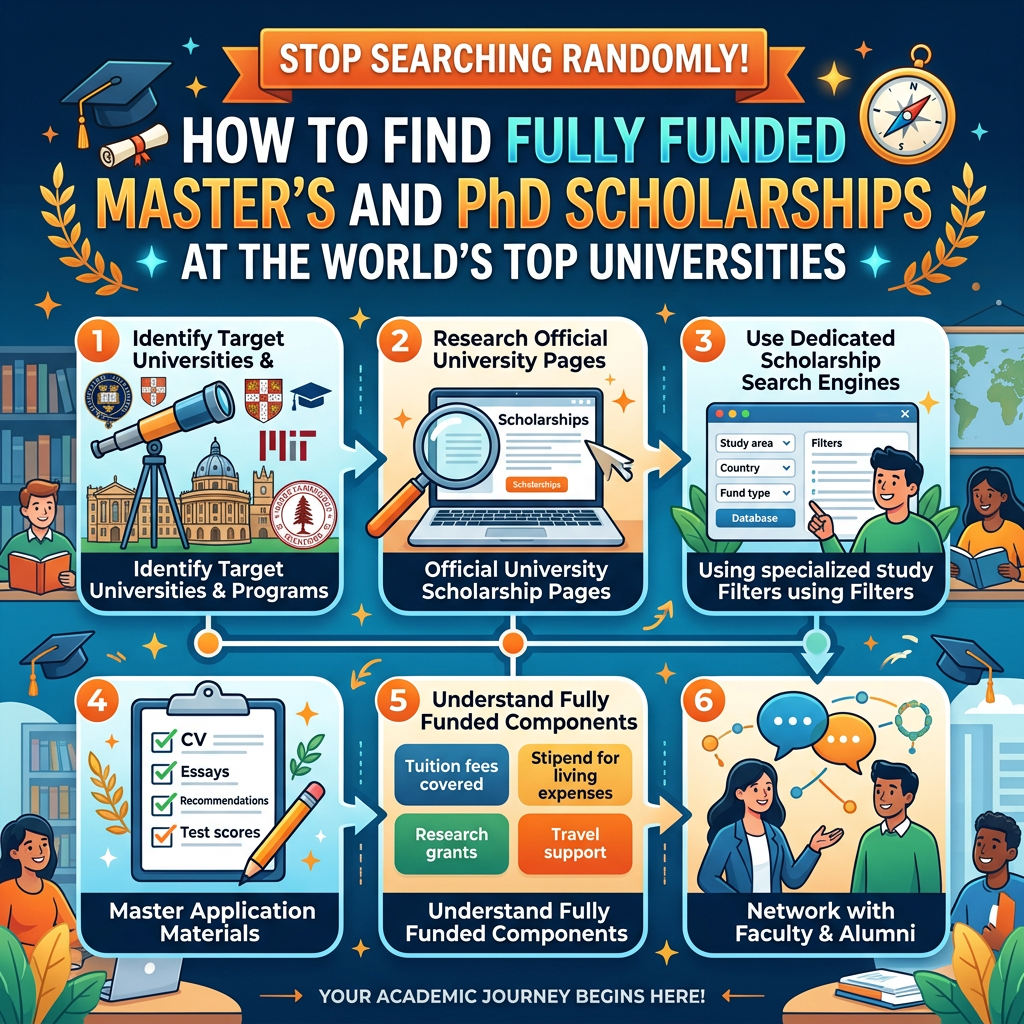
Imagine earning a Master’s or PhD degree from a world-class university without having to worry about tuition fees, accommodation costs and other major study expenses. For many students, studying at prestigious universities such as Harvard, Oxford, Cambridge, Stanford, MIT, Yale, ETH Zurich, Imperial College London and the University of Toronto may seem financially impossible. However, thousands of international students pursue postgraduate education every year through university scholarships, government-funded programmes, research studentships and international fellowship opportunities.
Share this:


The United States offers a diverse array of scholarships, fellowships, and grants to support students, researchers, and professionals across various disciplines. Below is a list of major providers:
Continue reading “Major Scholarship Providers in the United States of America”

